How to Stay Hydrated During Exercise Without Overdrinking: 5 Science-Backed Tips
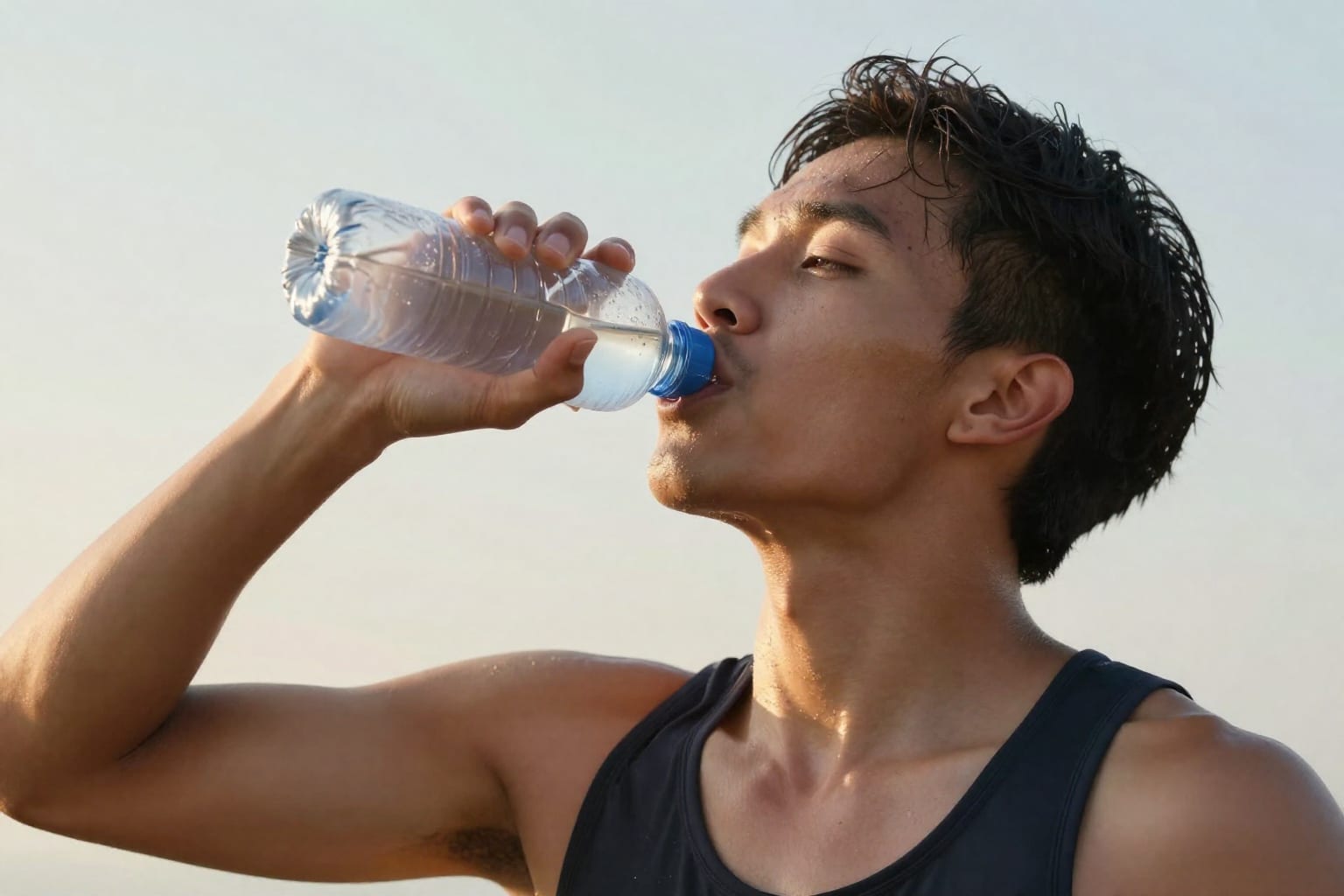
I was halfway through a humid 10-mile run last summer when I realized my stomach was sloshing like a half-empty jug. I’d been dutifully chugging water every mile—because that’s what I thought you were supposed to do. By mile eight, I felt nauseous, my head was pounding, and I had to stop and walk. It wasn’t dehydration that got me; it was the opposite. I had overdrunk, and my body was screaming for balance.
If you’ve ever felt bloated, heavy, or sick after forcing down water during a workout, you’re not alone. The common advice to “drink as much as you can” is outdated and, for some, dangerous. Learning how to stay hydrated during exercise without overdrinking is about precision, not volume. Here are five science-backed tips I’ve tested myself—and that actually work.
Why Overdrinking During Exercise Is a Real Problem (And What’s at Stake)
Most people worry about not drinking enough during a workout. But the flip side—overhydration—is underdiscussed and surprisingly common, especially among recreational athletes who follow rigid hydration plans without listening to their bodies.
The medical term is exercise-associated hyponatremia (EAH). It happens when you drink so much fluid that your blood sodium levels drop dangerously low. Your kidneys can only process about 800–1,000 milliliters of fluid per hour. If you exceed that during intense sweating, you dilute the sodium outside your cells, causing water to shift into your brain and lungs. Early symptoms include nausea, headache, and bloating; severe cases can lead to seizures, coma, or even death.
According to a 2023 PubMed study on thirst-driven hydration in endurance athletes, up to 13% of marathon finishers showed signs of hyponatremia. And it’s not just elite runners—casual gym-goers who chug water before a spin class can also tip into the danger zone.
The real stakes here aren’t about fear-mongering; they’re about realizing that more water isn’t always better. Your body has a sweet spot for fluid balance, and hitting it means paying attention to your own signals, not a generic chart.
Tip 1: Follow the ‘Thirst-Driven’ Rule—Not a Fixed Schedule
For years, I set a timer on my watch: drink every 15 minutes, no matter what. That strategy is what landed me with the sloshy stomach. The first and most practical shift I made was switching to a thirst-driven hydration approach.
Here’s the science: Thirst is your body’s natural, real-time signal that your blood osmolality (concentration of solutes) has shifted. Your brain’s hypothalamus monitors this constantly. When you feel thirsty, your body is already slightly dehydrated—by about 1–2% of body weight—but that’s well within a safe range for most workouts. The problem arises when you override that signal and drink before you’re thirsty, or when you force yourself to finish a bottle because “it’s time.”
In my own training, I stopped drinking on a schedule and instead took small sips (3–4 ounces) only when I genuinely felt thirsty. Within a week, my stomach discomfort vanished, and my energy levels became more consistent during long runs. For a 60-minute moderate workout, most people don’t need to drink at all—just start well-hydrated and sip if you feel the urge. For sessions longer than 90 minutes or in extreme heat, thirst-driven sipping every 10–15 minutes is plenty.
Practical takeaway: Keep a water bottle accessible, but don’t stare at the clock. Take a mouthful when your mouth feels dry or you feel a mild craving. Trust your body—it evolved to tell you when it needs fluid.
Tip 2: Match Fluids to Sweat Rate—Here’s How to Calculate Yours
One size fits none when it comes to hydration. Your sweat rate depends on genetics, temperature, humidity, exercise intensity, and even what you ate yesterday. The only way to know your personal number is a simple sweat rate test I’ve done dozens of times.
How to do it:
- Weigh yourself naked before a workout (in pounds or kilograms).
- Exercise for exactly one hour at your typical intensity, without drinking or using the bathroom.
- Towel off dry sweat and weigh yourself again naked.
- Subtract your post-workout weight from your pre-workout weight. The difference (in pounds) is roughly the fluid volume (in pints) you lost through sweat. Multiply by 16 to get ounces.
For example, if I weighed 155 pounds before a run and 153.5 pounds afterward, I lost 1.5 pounds = 24 ounces of sweat per hour. That means my ideal fluid intake during exercise is about 12–16 ounces per hour (since you can’t replace 100% without risking stomach upset). Anything beyond that is overkill.
I once coached a friend who was convinced he needed 40 ounces per hour. His sweat test showed 18 ounces. He’d been overdrinking by more than double, which explained his chronic bloating and sluggishness. Once he cut back, his performance improved noticeably.
The key rule: Aim to replace no more than 70–80% of fluid losses during exercise. Your body will catch up during recovery. This approach keeps your sodium levels stable and avoids the slosh.
Tip 3: Use Electrolytes, Not Just Plain Water, to Stay Balanced
During a long, sweaty workout, plain water can actually be a risk factor for overhydration. Here’s why: when you lose sweat, you lose water and sodium (about 500–1,000 mg per liter of sweat). If you replace only the water, you dilute your blood sodium further. That’s a direct path to hyponatremia.
In my own experience, I switched from plain water to an electrolyte drink during runs over 90 minutes. I use a mix that provides 300–400 mg of sodium per 16 ounces. The difference was immediate: I no longer felt that faint, headachy sensation after a long session, and my urine stayed a healthy pale yellow instead of turning clear.
When to use electrolytes:
- Workouts under 60 minutes: Plain water is fine if you’ve eaten a normal diet (you have plenty of sodium onboard).
- Workouts 60–90 minutes: Consider sipping an electrolyte drink if you sweat heavily.
- Workouts over 90 minutes or in heat: Electrolytes are essential. Sports drinks, electrolyte tablets, or even salted water work.
A 2022 American Council on Exercise: hydration guidelines for athletes recommends 500–700 mg of sodium per liter of fluid for prolonged exercise. I personally aim for the lower end unless it’s sweltering. And no, you don’t need the sugar in most sports drinks—many zero-sugar electrolyte powders are just as effective without the calories.
Counter-intuitive insight: Drinking plain water when you’re already sodium-depleted can make you thirstier, because your body tries to dilute the low sodium further. Adding electrolytes breaks that cycle and helps you maintain a natural thirst response.
Tip 4: Time Your Hydration—Before, During, and After
Overdrinking often happens because people cram all their fluid intake into the workout window. Instead, I spread my hydration across three phases, which reduces the urge to gulp during exercise.
Before (2–3 hours pre-workout): Drink 16–20 ounces of water or an electrolyte beverage. This ensures you start well-hydrated without being waterlogged. I do this before my morning run, and it makes a huge difference—I rarely feel thirsty during the first 45 minutes.
During: Use the thirst-driven rule and your sweat rate data. For a 60-minute session, I bring a 16-ounce bottle and usually drink half of it. For longer sessions, I sip 4–6 ounces every 15–20 minutes. If I feel my stomach sloshing, I stop immediately.
After: Rehydrate with food and drink. For every pound lost during exercise, drink about 20–24 ounces of fluid (with electrolytes). But here’s the nuance: don’t chug it all at once. Sip over the next hour, and eat something salty to help retain the fluid. A banana with salted peanut butter or a bowl of soup works wonders.
Real example: After a 90-minute bike ride where I lost 2 pounds, I drink 40–48 ounces of water mixed with an electrolyte tab over the next 90 minutes, along with a sandwich. I never feel bloated, and my next workout starts on a clean slate.
Tip 5: Monitor Your Body’s Signals—Urine Color and Other Clues
Your body gives you real-time feedback. You just have to know what to look for. The simplest tool? Urine color. It’s cheap, instant, and surprisingly accurate.
- Pale yellow (like lemonade): You’re well-hydrated. Keep doing what you’re doing.
- Clear (like water): You may be overhydrated. Back off on fluid intake for the next hour.
- Dark yellow or amber: You’re dehydrated. Drink a moderate amount (8–12 ounces) and sip slowly.
I check my urine color before every workout and halfway through long sessions. If it’s clear 30 minutes into a run, I skip the water bottle entirely until I feel thirst. If it’s dark, I start sipping earlier.
Other clues:
- Body weight changes: Weigh yourself before and after. If you gain weight during exercise, you’re overdrinking. If you lose more than 2% of body weight, you’re underdrinking.
- Thirst level: If you feel thirsty but your urine is clear, it may be a sodium imbalance, not a need for more water. Try an electrolyte drink instead.
- Feeling of sloshing: That’s a red flag. Stop drinking and wait until your stomach settles.
I once ignored clear urine during a half-marathon because I thought “more water is better.” By mile 11, I was dizzy and disoriented. A fellow runner handed me a salt packet, and within 15 minutes I felt human again. That experience taught me that clear pee isn’t always good—it’s a warning.
Frequently Asked Questions
Can drinking too much water during exercise be dangerous?
Yes, overdrinking can lead to hyponatremia (low blood sodium), which causes nausea, headache, confusion, and in severe cases, seizures or coma. It's most common during endurance events lasting over 4 hours.
How much water should I drink during a 1-hour workout?
For most people, 7–10 ounces (about 200–300 ml) every 10–20 minutes is sufficient, but it varies by sweat rate. The best approach is to drink when you feel thirsty and not force extra.
What’s the quickest way to tell if I’m overhydrated?
Check your urine color: if it's completely clear and you're urinating frequently during exercise, you may be overhydrated. Pale yellow is ideal.
Does drinking sports drinks prevent overhydration better than water?
Sports drinks contain electrolytes like sodium, which help maintain fluid balance and reduce the risk of hyponatremia. But they're not necessary for workouts under 60 minutes unless you're sweating heavily.
Should I pre-hydrate before exercise to avoid drinking too much during?
Yes, starting well-hydrated (by drinking water or an electrolyte beverage 2–3 hours before) can reduce the urge to gulp large amounts during exercise, helping prevent overdrinking.
Your Practical Takeaway
Learning how to stay hydrated during exercise without overdrinking isn’t complicated, but it does require breaking old habits. Here’s the one-page summary worth bookmarking before your next workout:
- Drink by thirst, not by timer.
- Know your sweat rate—do the weigh-in test once.
- Add electrolytes for sessions over 90 minutes or in heat.
- Spread your fluid intake across before, during, and after.
- Check your urine color—pale yellow is your target; clear is a warning.
Hydration is about balance, not volume. Your body knows what it needs—you just have to listen. And if you ever feel that slosh, stop drinking and let your gut catch up. Your performance (and your stomach) will thank you.